
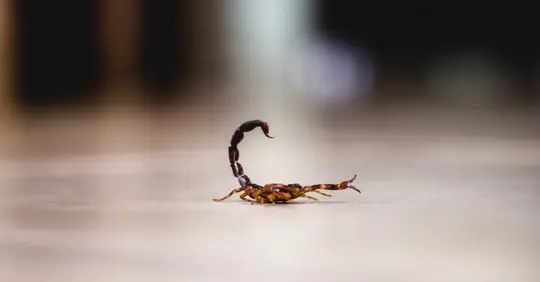
Scorpions are a common concern for homeowners across Arizona, especially during the hotter months. In Yuma, rising temperatures often push scorpions indoors as they search for water, shade, and shelter. Unfortunately, there’s a lot of misinformation online about how scorpions behave and how to deal with them safely.
Understanding the truth behind common scorpion myths can help homeowners make smarter decisions and reduce the risk of unwanted encounters.
Seeing more scorpions around your home this season? Contact RAM Pest or call (928) 447-7721 to schedule an inspection and learn more about safe, reliable scorpion control options in Yuma.
Myth #1: Scorpions Only Live in the Desert
While scorpions are strongly associated with desert environments, they don’t stay outside all the time. In fact, many Arizona homeowners discover scorpions inside their homes during periods of extreme heat.
Scorpions often enter homes looking for:
- Cooler temperatures
- Water sources
- Small insects to eat
- Dark hiding places
Common indoor hiding spots include garages, laundry rooms, closets, bathrooms, and under furniture.
Myth #2: If You See One Scorpion, There’s Only One
Seeing a single scorpion may indicate that others are nearby. Scorpions are nocturnal, which means they are most active at night and can stay hidden during the day.
They may hide in:
- Shoes
- Storage boxes
- Wood piles
- Wall cracks
- Outdoor debris
Because they are skilled at staying out of sight, homeowners often underestimate how active they may be around the property.
Myth #3: Scorpions Can Climb Anything
Scorpions are good climbers, but not every surface is easy for them to scale. Smooth materials, such as clean glass or certain metals, can be difficult for them to grip.
However, they can still climb:
- Brick
- Stucco
- Wood
- Textured walls
- Landscaping materials
This is why trimming vegetation and reducing clutter near the home can help lower scorpion activity around entry points.
Myth #4: DIY Sprays Always Solve the Problem
Store-bought sprays may kill visible scorpions, but they often do not address the conditions attracting them in the first place.
Scorpion activity is usually connected to:
- Food sources like crickets and roaches
- Moisture around the property
- Hidden shelter areas
- Gaps and cracks around the home
A more complete approach often includes reducing insect activity, sealing entry points, and monitoring problem areas over time. Professional pest control in Yuma, AZ can help homeowners identify these risk factors more effectively.
Myth #5: Scorpions Only Come Out During Summer
Summer is the peak season for scorpion activity in Arizona, but they can remain active year-round, especially in warmer climates like Yuma.
Monsoon season can also increase sightings because:
- Rain drives pests into drier spaces
- Insect activity increases
- Scorpions search for shelter indoors
Homeowners may notice increased activity from late spring through early fall.
How to Reduce Scorpion Activity Around Your Home
While no home is completely immune to pests, homeowners can take practical steps to reduce risk.
Helpful prevention tips include:
- Sealing cracks around doors and windows
- Removing yard debris and clutter
- Keeping firewood elevated
- Reducing standing water
- Scheduling regular pest inspections
It’s also important to reduce other insect populations on the property, as scorpions feed on smaller pests.
When to Call for Professional Help
If scorpions are appearing frequently inside your home, schedule a professional inspection. Repeated sightings can indicate favorable conditions nearby, especially during Arizona’s hottest months.
RAM Pest provides reliable pest control solutions for homeowners in Yuma, AZ. From identifying entry points to addressing active pest pressure, the goal is to help reduce scorpion activity safely and effectively.
If you’re noticing scorpions around your property, contact RAM Pest or call (928) 447-7721 to learn more about available treatment and prevention options.