
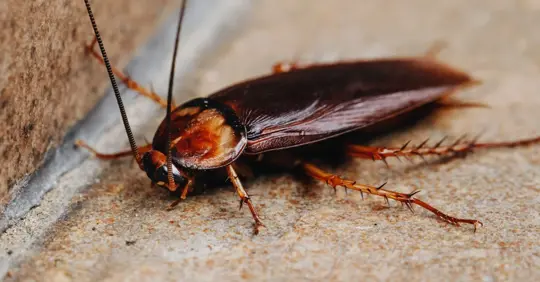
Cockroaches are more than just an unpleasant nuisance inside a home or business. In warm climates like Yuma, cockroach infestations can quickly spread and pose hidden health risks to families, employees, and customers. Because roaches often stay hidden in dark, damp spaces, many infestations go unnoticed until the problem becomes more serious.
Understanding the risks associated with cockroaches can help property owners take early action and reduce exposure to harmful conditions.
If you’ve noticed signs of cockroach activity in your home or business, contact RAM Pest or call (928) 447-7721 to schedule an inspection and learn more about safe, effective treatment options.
Why Cockroaches Are a Health Concern
Cockroaches travel through unsanitary areas such as drains, trash bins, sewers, and damp crawl spaces before entering homes and buildings. As they move, they can carry bacteria and contaminants onto surfaces where people prepare food or spend time.
Common areas where roaches spread contamination include:
- Kitchen counters
- Cabinets and pantries
- Food storage areas
- Bathroom surfaces
- Restaurant or breakroom spaces
Even small infestations can cause concern if not addressed promptly.
Cockroach Allergies and Asthma Triggers
One of the most overlooked health risks linked to cockroaches is indoor air quality. Cockroach droppings, saliva, and shed body parts can trigger allergies and asthma symptoms, especially in children and people with respiratory sensitivities.
Possible symptoms may include:
- Sneezing
- Coughing
- Skin irritation
- Watery eyes
- Increased asthma flare-ups
These particles can build up in hidden spaces over time, especially in larger infestations.
Bacteria and Germ Exposure
Cockroaches can carry bacteria on their bodies and legs as they move through contaminated environments. They can spread germs onto food-preparation surfaces, dishes, and stored food.
This can increase the risk of exposure to bacteria associated with:
- Food contamination
- Digestive illness
- Unsanitary indoor conditions
While not every cockroach encounter leads to illness, repeated exposure in active infestations raises concerns for both homes and businesses.
Why Cockroach Problems Spread Quickly in Arizona
Yuma’s warm climate allows cockroaches to remain active year-round. Heat, moisture, and easy access to food can help infestations grow rapidly indoors.
Cockroaches are often attracted to:
- Leaking pipes
- Crumbs and food residue
- Pet food
- Cardboard storage boxes
- Warm appliance areas
Because roaches reproduce quickly, even a small issue can become larger if left untreated.
Signs You May Have a Cockroach Infestation
Cockroaches are nocturnal, meaning they are usually most active at night. Homeowners may not notice the infestation right away.
Common warning signs include:
- Roaches seen at night
- Small droppings near cabinets or appliances
- Musty odors
- Egg casings
- Increased insect activity in kitchens or bathrooms
If multiple signs are present, it may indicate an established infestation.
Prevention Tips for Homeowners
While professional treatment is often necessary for active infestations, homeowners can help reduce the risk with consistent preventive measures.
Helpful steps include:
- Cleaning food spills quickly
- Sealing cracks and entry points
- Reducing excess moisture
- Storing food in sealed containers
- Taking out trash regularly
Regular inspections and ongoing treatment can also help monitor activity before infestations become severe.
When to Contact a Professional
Cockroaches are difficult to control without addressing hidden nesting areas and the conditions that attract them indoors. DIY sprays may temporarily reduce visible pests, but they often miss deeper infestation zones.
RAM Pest provides dependable pest control solutions for homeowners and businesses in Yuma, AZ. Treatment plans are designed to help reduce active infestations while identifying conditions that may contribute to recurring problems.
If you suspect cockroach activity in your home or commercial property, contact RAM Pest or call (928) 447-7721 to learn more about available treatment options.